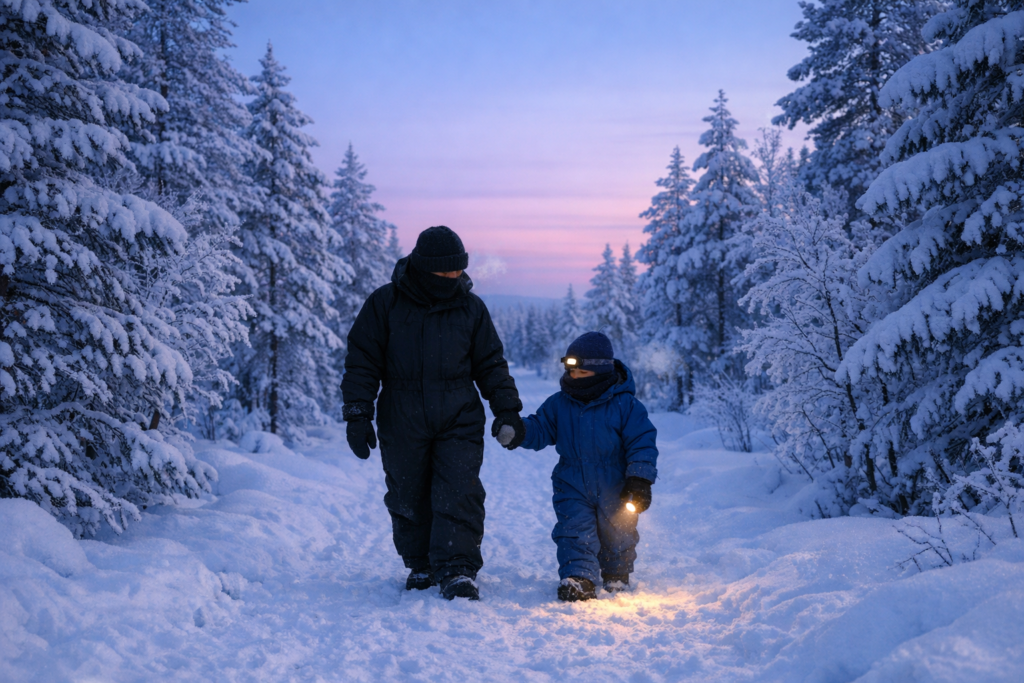
Frostbite is damage to the skin, and sometimes the tissue beneath it, caused by freezing. It most often affects the parts of the body furthest from the core and most exposed: fingers, toes, nose, ears and cheeks.
Early signs
The NHS describes the early signs as skin that feels cold and firm, numbness or pins and needles, and skin that turns red, pale or white. This first stage, sometimes called frostnip, usually recovers fully if dealt with quickly. As it gets worse, the skin can become hard and waxy, may blister, and can later turn dark.
What to do
- Get out of the cold and wind, and remove anything wet or tight, such as rings, wet gloves or socks.
- Warm the area gently, ideally in warm (not hot) water, for 15 to 30 minutes, or with body heat, such as hands in armpits.
- Don’t rub the skin, and don’t use direct heat such as a fire, radiator or hot-water bottle, which can burn numb skin.
- Don’t let it refreeze once warmed.
- Get medical help straight away if the skin is hard, blistered, white or grey, or doesn’t come back to normal after warming.
Who’s at risk on a ski trip
Children, who may not notice or say; anyone with wet gloves or socks; ski boots that are too tight; long, cold chairlifts; and very cold, windy days (see wind chill). Snowmobile and sleigh rides in places like Lapland are a common cause.
Prevention
Cover exposed skin, keep hands and feet dry, use mittens in severe cold, take breaks indoors, and check each other’s faces for pale patches.